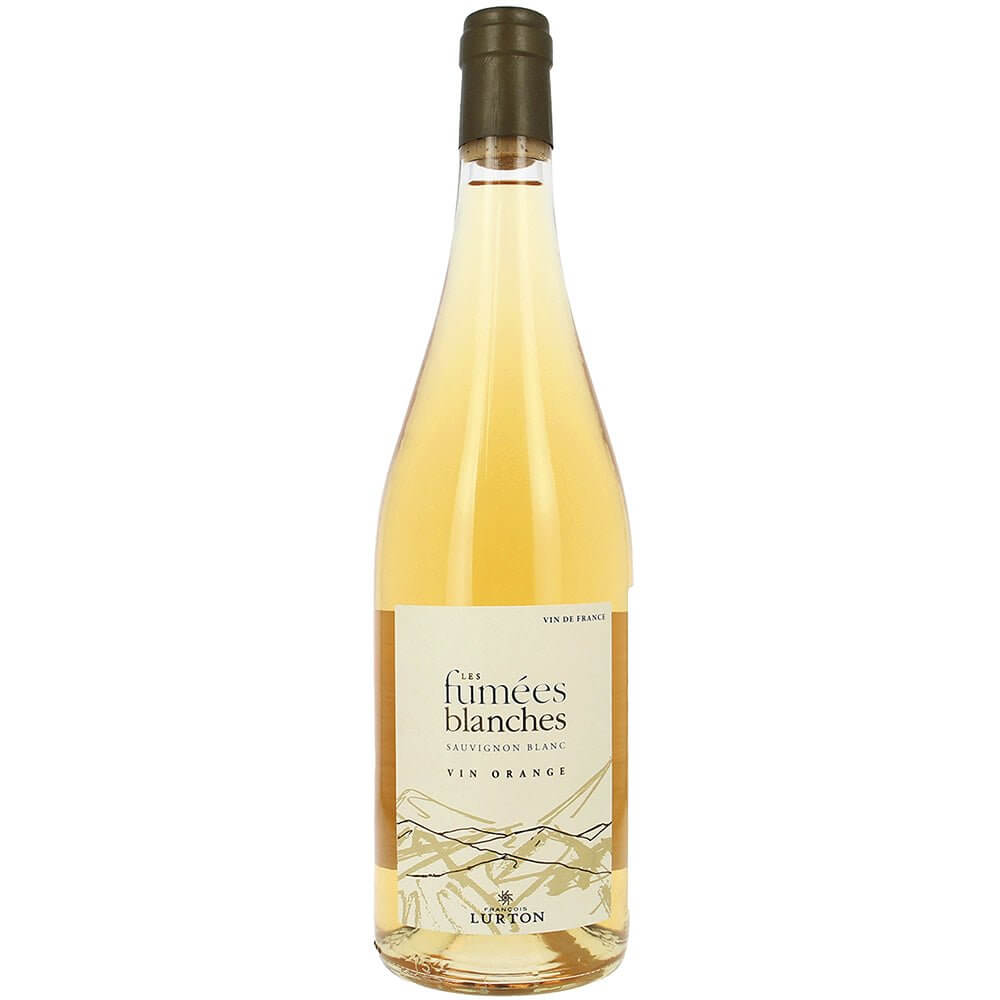
François Lurton - Les Fumées Blanches - Vin Orange

François Lurton - Les Fumées Blanches - Vin Orange - 2021 - 75cl - Onshore Cellars

François Lurton - Les Fumées Blanches - Vin Orange

Vintage
Size
Regular price €16.82
POA/
  • In stock
  • Inventory on the way
Tax included. Shipping calculated at checkout.

Tasting Notes

Loading tasting notes…

Loading tasting notes…

More information

Provenance
Country
Appellation
Producer
Technical
Serving
10° - 12° C
Food Pairings
ShellfishLobsterCrabFishSushi and SashimiChickenCharcuterie and Cured MeatsMushroomsHard CheesesAromatic SpicesNuts and Seeds
Certifications
Bio (Organic)
Key Characteristics
Citrus fruitTropical fruitMedium alcoholMedium-bodiedMedium acidityMedium intensity

Behind the bottle

South West

South West

The South West of France encompasses a diverse collection of wine regions stretching from the Atlantic coast inland toward the Massif Central, including areas like Cahors, Madiran, Gaillac,...

The South West of France encompasses a diverse collection of wine regions stretching from the Atlantic coast inland toward the Massif Central, including areas like Cahors, Madiran, Gaillac, and Bergerac. This broad geographical designation covers territories that lie outside the more famous Bordeaux and Languedoc regions, yet maintain distinct winemaking traditions that often predate those of their better-known neighbors. The region serves as home to numerous indigenous grape varieties and traditional winemaking methods that have been preserved for centuries.

The South West experiences varied microclimates due to its expansive territory, ranging from Atlantic maritime influences near the coast to more continental conditions inland. The diverse terroir includes limestone plateaus, clay-gravel soils, and ancient volcanic deposits, creating distinct growing conditions across different appellations. This geographical diversity allows for the cultivation of both international varieties and rare local grapes that are found nowhere else in France.

The region is particularly notable for its native grape varieties, including Tannat in Madiran, Malbec in Cahors, and unique white varieties like Petit Manseng and Gros Manseng. Traditional wine styles range from the deeply colored, tannic reds of Cahors and Madiran to the sweet dessert wines of Jurançon and Monbazillac. The South West's winemaking identity centers on preserving these indigenous varieties and maintaining artisanal production methods that reflect centuries of local tradition.

Explore South West
Vin De France

Vin de France

Vin De France is the broadest French classification for still wines that do not qualify for a more specific appellation d'origine contrôlée (AOC) or protected designation. Established in...

Vin De France is the broadest French classification for still wines that do not qualify for a more specific appellation d'origine contrôlée (AOC) or protected designation. Established in 2009 as part of the European wine classification reform, this designation replaced the former "Vin de Table" category. Wines carrying this label originate from anywhere within France, though many come from established wine regions where producers choose to declassify their wines or experiment outside strict appellation rules.

Vin De France allows winemakers significant freedom in grape selection, blending, and production method—a flexibility that has made the category attractive to producers seeking to innovate. No specific terroir requirements apply, as the designation encompasses all French regions and their diverse climates and soils. Winemakers may work with any grape variety and employ modern or traditional techniques, resulting in wines that range from conventional still whites and reds to natural wines and orange (skin-contact white) wines.

The diversity of Vin De France means these wines resist easy generalization. The appellation's permissiveness has fostered experimentation, particularly among producers working in established regions like the Loire Valley who wish to challenge convention. The wines may reflect their region of origin through typical varietals and styles, or they may represent deliberately unconventional approaches—naturalist winemaking, unusual varietals, or minimal intervention techniques. Rather than a shared character, Vin De France wines are united by the freedom their producers exercised in their creation.

Read more