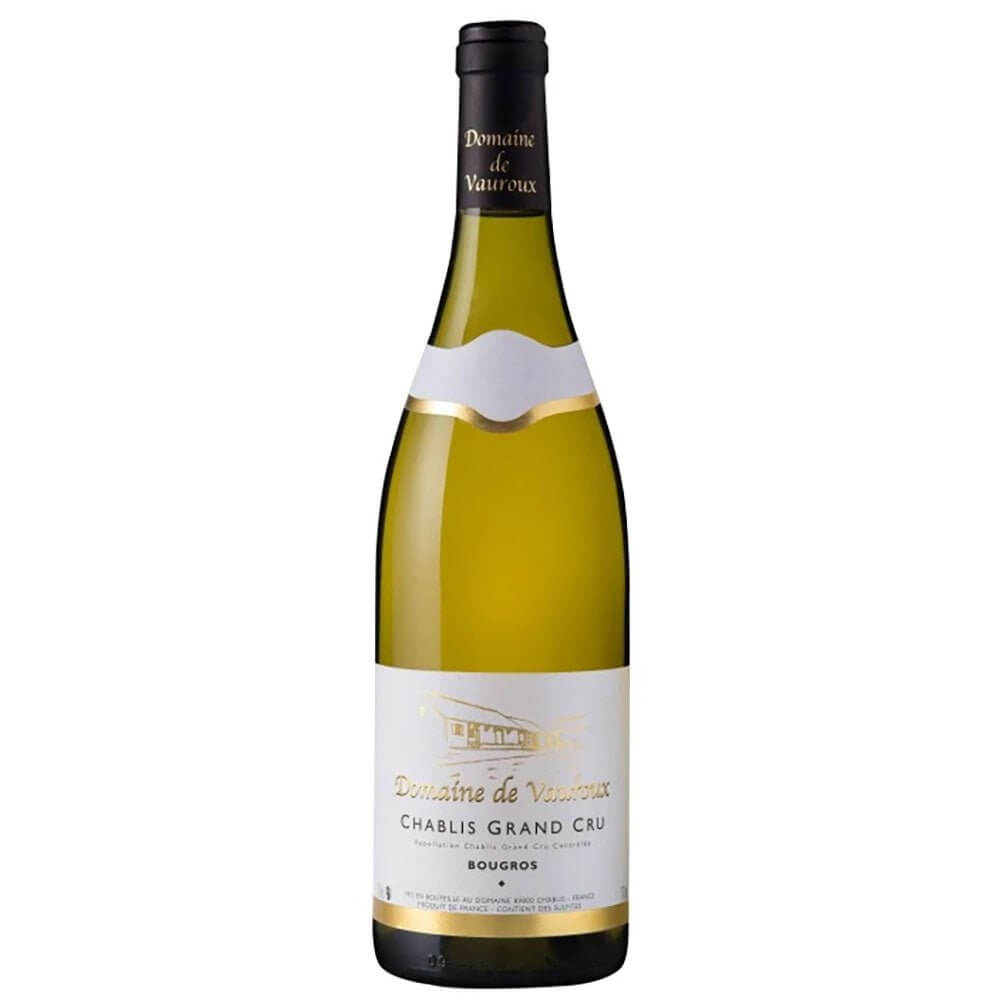
Domaine de Vauroux - Chablis - Bougros - Grand Cru

Domaine de Vauroux - Chablis - Bougros - Grand Cru - 2018 - 75cl - Onshore Cellars

Domaine de Vauroux - Chablis - Bougros - Grand Cru

Vintage
Size
Regular price €68.40
POA/
  • In stock
  • Inventory on the way
Tax included. Shipping calculated at checkout.

Tasting Notes

Loading tasting notes…

More information

Provenance
Type
Country
Appellation
Style
Grand Cru
Technical
Grapes
ABV
13%
Serving
11° - 13° C
Food Pairings
ShellfishLobsterCrabGreen VegetablesGoat CheeseCitrus-Based Dishes
Key Characteristics
Citrus fruitFreshButteryStonyMedium alcoholMedium-bodied

Behind the bottle

Domaine De Vauroux

Domaine de Vauroux

Domaine de Vauroux is a well-regarded wine producer based in Chablis, within the Burgundy region of France. The estate is known for producing high-quality wines that embody the...

Domaine de Vauroux is a well-regarded wine producer based in Chablis, within the Burgundy region of France. The estate is known for producing high-quality wines that embody the classic characteristics of the Chablis terroir, particularly focusing on Chardonnay, the grape variety synonymous with the region.

**Background and Ownership:**
The domaine has been owned and managed by the Tricon family since 1956, with Olivier Tricon currently at the helm. Under his stewardship, Domaine de Vauroux has maintained a commitment to reflecting the purity and precision of Chablis in their wines. Olivier Tricon's extensive experience and deep understanding of the region play a crucial role in the domaine’s continued success and reputation.

**Vineyards and Winemaking:**
Domaine de Vauroux owns extensive vineyards in Chablis, including plots in some of the Premier Cru sites. The vineyards are cultivated with a focus on sustainable practices to preserve the health of the vineyard and the environment. The Chablis terroir is characterized by its Kimmeridgian limestone, which imparts a distinct minerality to the wines—a hallmark of the Vauroux style.

In terms of winemaking, Domaine de Vauroux utilizes techniques that emphasize the natural qualities of the Chardonnay grape, aiming to produce wines that are both expressive and balanced. The use of oak in the aging process is judicious, ensuring that the wood does not overpower the characteristic flavors of the fruit and the terroir. This approach results in wines that are well-structured with a clear expression of minerality and crisp acidity.

**Wine Portfolio:**
The domaine produces a range of wines, from Chablis AOC to more prestigious Chablis Premier Cru and Grand Cru wines. Their Chablis is known for its fresh, vibrant profile with flavors of green apple, lemon, and flint, while their Premier Cru and Grand Cru offerings exhibit greater complexity and depth, with potential for aging and developing richer, more nuanced flavors.

**Reputation and Market Presence:**
Domaine de Vauroux has garnered respect both domestically and internationally for its consistent quality and dedication to showcasing the quintessential features of Chablis wines. Their wines are often featured in international markets and are popular among consumers who appreciate the unique qualities of Burgundian whites.

Overall, Domaine de Vauroux exemplifies the tradition and innovation of Chablis winemaking, producing wines that are appreciated for their purity, elegance, and authenticity.

Domaine de Vauroux
Burgundy - Onshore Cellars

Burgundy

The French Wine region of Burgundy (aka “Bourgogne”) may be small in size, but its influence is huge in the world of vino. The complexity of Burgundy...

The French Wine region of Burgundy (aka “Bourgogne”) may be small in size, but its influence is huge in the world of vino. The complexity of Burgundy can cast fear into the heart of even a seasoned wine pro, but fear not – the region need only be as complicated as you want it to be. Yes, it is home to some of the most expensive wines in the known universe, but there are also tasty and affordable wines.

Main grapes:

Pinot Noir originated in Burgundy and these vines cover 34% of the region, accounting for 29% of overall wine production. The red grape does extremely well in limestone and clay soil, which helps create their complexity. Pinot Noir wines from Burgundy range in colour from cherry to brick, are light in body, and typically have red fruit and spicy flavours. Gamay is a red grape also grown in Burgundy, but only makes up 10% of the vines.

Chardonnay is the primary grape for white wines in Burgundy, making up 48% of the vines and 68% of production. Chardonnay appreciates Burgundy’s marl soil, which gives it delicate floral, fruit, and mineral aromas and full-bodied flavours. Aligoté is the second white grape, accounting for 6% grown. {Read more about the ancient Aligoté grape in Burgundy.}

The region does produce a sparkling wine called Crémant de Bourgogne. It can be made from Chardonnay, Pinot Noir, Pinot Gris, Aligoté, Gamay, Sacy, and Melon. Varieties include blanc, blanc de blancs, blanc de noirs, and rosé.

Explore Burgundy
Chablis

Chablis

Chablis is a small appellation located in the northernmost part of Burgundy, in northwestern France. The region sits about 240 kilometers north of the rest of Burgundy's main...

Chablis is a small appellation located in the northernmost part of Burgundy, in northwestern France. The region sits about 240 kilometers north of the rest of Burgundy's main production areas, positioned closer to Champagne than to the Côte d'Or. This geographic isolation, combined with its cool continental climate, gives Chablis a distinct identity within Burgundy.

The terroir is defined by Kimmeridgian limestone-rich soils, a geological formation that also appears in parts of Champagne. This chalky, fossil-laden soil imparts characteristic minerality to the wines. Chablis produces only white wines from Chardonnay, with a strict classification system: Petit Chablis (the most basic level), Chablis (standard appellation), Premier Cru, and Grand Cru, each with defined vineyard sites. The cool climate means the region's marginal growing conditions create wines with naturally high acidity and modest alcohol levels—traditional winemaking in Chablis often involved aging in stainless steel or neutral vessels rather than new oak, though practices vary among producers.

Chablis whites are renowned for their crisp, mineral-driven character rather than richness or oak influence. The wines typically display citrus, green apple, and flint notes, with Premier Cru and Grand Cru versions showing greater depth and aging potential than basic Chablis. The high acidity provides freshness and food compatibility, particularly with seafood and oysters. The distinction between styles—from lean, unoaked expressions to fuller examples aged in wood—reflects both vintage variation and individual producer philosophy, with many of Chablis' established houses maintaining their own interpretations of the regional character.

Read more