Château Monbousquet - Saint-Emilion - Grand Cru

94 RP-punten
90 RP-punten
93 RP-punten
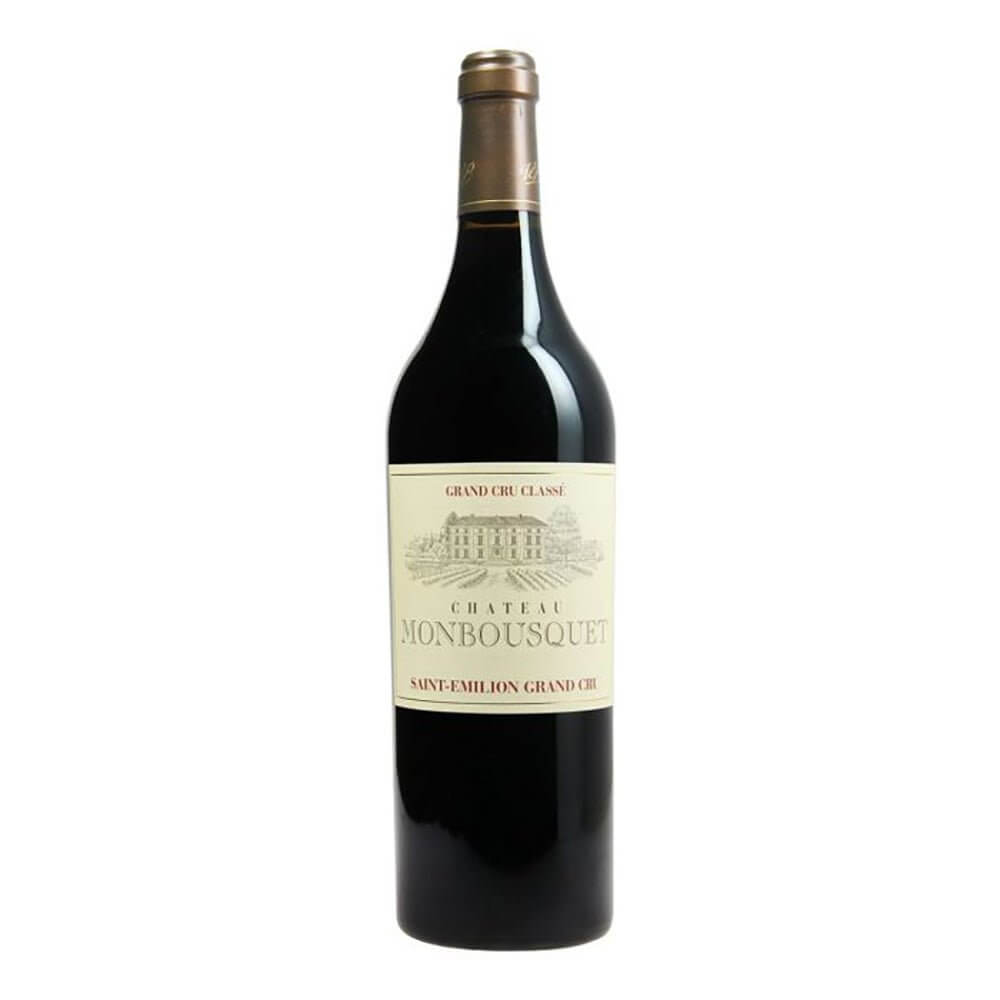
Château Monbousquet - Saint-Emilion - Grand Cru - 2015 - 75cl - Onshore Cellars

Château Monbousquet - Saint-Emilion - Grand Cru

Jaargang
Maat
Normale prijs €84.00
Prijs op aanvraag/
  • Op voorraad
  • Inventaris onderweg
Inclusief belasting. /nl/policies/shipping-policy '>Verzendkosten worden berekend bij het afrekenen.

Proefnotities

Loading tasting notes…

Loading tasting notes…

Loading tasting notes…

Loading tasting notes…

Meer informatie

Herkomst
Type
Land
Appellatie
Technisch
ABV
14.5%
Serveren
16° - 18°C
Drinken
2020 - 2032
Spijscombinaties
Lamrundvleeshertenvleeswildeendcharcuterie en gedroogd vlees
Kenmerken
High alcoholWarmingHigh tanninFirm tanninsMineralEarthy

Achter de fles

Chateau Monbousquet

Chateau Monbousquet

Château Monbousquet is een wijnproducent gevestigd in Saint-Émilion, in de Bordeaux-regio van Frankrijk. Het domein produceert rode wijnen uit de Saint-Émilion appellation, een van de meest significante en...

Château Monbousquet is een wijnproducent gevestigd in Saint-Émilion, in de Bordeaux-regio van Frankrijk. Het domein produceert rode wijnen uit de Saint-Émilion appellation, een van de meest significante en streng gereglementeerde regio's van Bordeaux.

De wijnen van Saint-Émilion worden gekarakteriseerd door hun structuur en rijpingspotentieel, waarbij Merlot meestal een prominente rol in de blend speelt. De locatie op de rechteroever biedt warmere omstandigheden en klei-kalksteen bodems die deze druivensoorten goed uitkomen. Het classificatiesysteem van de appellation, dat Grand Cru en Grand Cru Classé aanduidingen erkent, weerspiegelt de gevestigde kwaliteitsnormen van de regio.

Château Monbousquet werkt met de klassieke Saint-Émilion blend van Merlot, Cabernet Franc en Cabernet Sauvignon. Het huidige assortiment van het domein omvat een 2017 Saint-Émilion Grand Cru, die deze drie druivensoorten combineert in de traditionele rechteroever-stijl.

Chateau Monbousquet
Bordeaux - Onshore Cellars

Bordeaux

Bordeaux, in het zuidwesten van Frankrijk, behoeft weinig introductie als een van 's werelds beroemdste, meest prestigieuze en meest productieve wijnregio's. De meerderheid van de Bordeauxwijnen (bijna 90...
Bordeaux, in het zuidwesten van Frankrijk, behoeft weinig introductie als een van 's werelds beroemdste, meest prestigieuze en meest productieve wijnregio's. De meerderheid van de Bordeauxwijnen (bijna 90 procent van het productievolume) zijn de droge, medium- en volle rode Bordeaux Blends die zijn reputatie hebben gevestigd.

De beste (en duurste) hiervan zijn de wijnen van de grote châteaux van de Haut-Médoc en de Right Bank appellations Saint-Émilion en Pomerol. De eerste is gericht (op het hoogste niveau) op Cabernet Sauvignon, de laatste paart op Merlot.

De legendarische rode wijnen worden aangevuld met hoogwaardige witte wijnen op basis van Sémillon en Sauvignon Blanc. Deze variëren van droge witte wijnen die de beste wijnen uit de Bourgogne (Pessac-Léognan is met name beroemd) uitdagen tot de zoete, botrytische nectars van Sauternes.
Verken Bordeaux
Saint-Émilion

Saint-Emilion

Saint-Émilion is one of Bordeaux's most historic wine appellations, located on the Right Bank of the Dordogne River approximately 40 kilometers east of Bordeaux city. The appellation encompasses...

Saint-Émilion is one of Bordeaux's most historic wine appellations, located on the Right Bank of the Dordogne River approximately 40 kilometers east of Bordeaux city. The appellation encompasses the medieval town of Saint-Émilion and eight surrounding communes, with vineyards planted across a diverse landscape of plateaus, hillsides, and sandy plains. Saint-Émilion received AOC status in 1936 and operates under its own classification system, separate from the Left Bank's 1855 Classification.

The appellation's terroir is notably varied, featuring three distinct soil types: limestone plateaus around the town itself, clay-limestone slopes (côtes), and sandy-gravel soils (graves) in the plains toward the Dordogne. This diversity allows for different expressions within the same appellation. The climate is oceanic with maritime influences from the nearby river systems. Merlot dominates plantings and typically comprises 60-70% of most blends, supported by Cabernet Franc and smaller amounts of Cabernet Sauvignon. The appellation produces exclusively red wines, with many estates holding Grand Cru status.

Saint-Émilion wines are generally more approachable in their youth compared to Left Bank Bordeaux, owing to the predominance of Merlot. They typically display rich fruit flavors with plum and blackberry notes, complemented by earthy minerality that reflects the limestone soils. The Cabernet Franc component adds structure and aromatic complexity, while the diverse terroir creates wines ranging from elegant and mineral-driven on the plateaus to fuller-bodied and fruit-forward from the clay slopes.

Lees meer